
Understanding Screenshot Tools and Their Importance
In an increasingly digital workspace, the need for efficient screenshot and annotation tools cannot be overstated. These tools are essential for professionals across various sectors, including design, development, and education. They enhance communication, streamline workflows, and enable users to capture and share information quickly and effectively. For teams focused on collaboration, utilizing advanced 截图工具 can lead to significant improvements in productivity and clarity.
What are Screenshot Tools?
Screenshot tools are software applications that allow users to capture images of their computer screens. These tools can range from basic applications that take a snapshot of a screen to advanced software that offers extensive features such as editing, annotation, and Optical Character Recognition (OCR). With advancements in technology, these tools now incorporate features that facilitate real-time collaboration and improve efficiency in various workflows.
Why Are Screenshot Tools Essential for Designers?
For designers, the ability to capture and communicate ideas visually is vital. Screenshot tools provide a means to quickly document design iterations, collect user feedback, and share creative concepts. By integrating these tools into their workflow, designers can:
- Quickly capture design elements and inspiration.
- Annotate screenshots to convey specific feedback or changes.
- Collaborate in real time with team members and clients.
Key Features to Look For in Screenshot Software
When evaluating screenshot tools, it’s essential to consider features that enhance usability and functionality. Key functionalities include:
- Multi-platform Support: Ensure the tool is compatible across various operating systems such as Windows, macOS, and Linux.
- Annotation Tools: Look for features that allow adding text, shapes, arrows, and highlights to enhance clarity in communication.
- OCR Capabilities: The ability to extract text from images streamlines workflows, particularly for designers handling large volumes of feedback and documentation.
- Cloud Integration: Tools that support cloud saving enable easy access and sharing of screenshots across teams.
Implementing Advanced Screenshot Techniques
Best Practices for Efficient Screenshot Workflows
To maximize the effectiveness of screenshot tools, it’s crucial to establish a systematic approach to capturing and sharing information. Consider implementing the following best practices:
- Utilize keyboard shortcuts for speed and efficiency.
- Organize captured screenshots into folders for easier retrieval.
- Regularly review and eliminate unnecessary screenshots to maintain a clutter-free workspace.
Utilizing Multiple Screens with Screenshot Tools
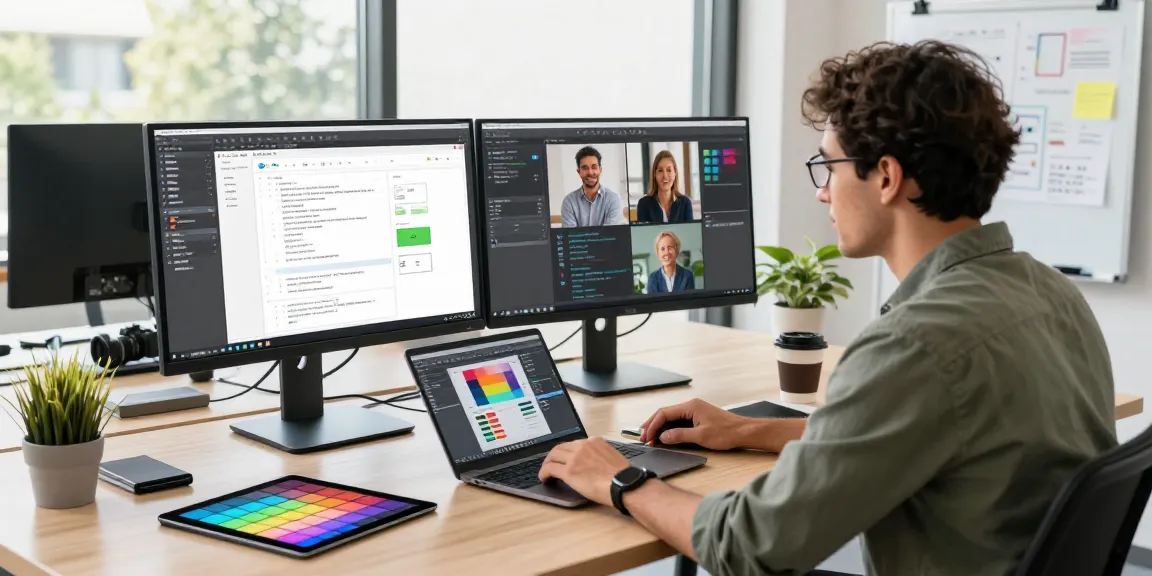
For professionals who work with multiple monitors, having a screenshot tool that seamlessly integrates across screens is essential. This feature can greatly enhance the workflow by allowing users to:
- Capture content from several displays without confusion.
- Maintain accurate scaling and resolution across different screen sizes.
- Facilitate collaboration with team members working in different physical locations.
Creative Annotation Methods for Clear Communication
Effective communication is key to successful collaboration. Utilize the annotation features of your screenshot tool creatively to convey your message clearly. Some innovative ways to use annotations include:
- Color coding feedback to differentiate between types of comments or suggestions.
- Using arrows and shapes to point out specific areas of concern or interest.
- Incorporating diagrams or flowcharts directly onto screenshots to illustrate complex ideas.
Leveraging OCR Capabilities for Enhanced Efficiency
Understanding Offline OCR Functionality
Optical Character Recognition (OCR) technology allows users to convert images of text into editable text files. Offline OCR functionality is particularly advantageous as it protects user privacy and ensures data security. This feature can vastly improve workflow efficiencies by:
- Eliminating the need for manual transcription of text from images.
- Allowing designers to quickly extract color codes, font styles, and other textual elements from screen captures.
- Enabling users to share text snippets in real-time during collaborative sessions.
How OCR Improves Workflow for Designers
By integrating OCR technology into their workflows, designers can enhance productivity in several ways:
- Streamlining the documentation process by quickly capturing text from reference materials.
- Facilitating faster content generation by converting visual ideas into written notes.
- Reducing the risk of errors that can occur during manual data entry.
Case Studies: Success Stories Using OCR Tools
Numerous organizations have successfully incorporated OCR tools into their creative processes. For instance, a design firm that implemented OCR technology reported a 30% reduction in time spent on project documentation, allowing the team to focus more on creativity and design iterations. Another case study highlighted how a marketing team benefited from using OCR to quickly gather client feedback from screenshots, enabling rapid adjustments to their campaigns.
Collaborating Effectively with Screenshot Tools
Integrating Screenshot Tools into Team Collaboration
For teams to function effectively, integrating screenshot tools into their collaboration processes is crucial. This integration can include utilizing shared drives for storing screenshots, leveraging built-in sharing features of screenshot tools, and encouraging team members to adopt common annotation standards. By doing so, teams can:
- Enhance accessibility to important visuals.
- Foster a collaborative environment where feedback is easily shared and implemented.
- Reduce misunderstandings that arise from ineffective communication.
Real-time Sharing and Communication Strategies
Real-time sharing capabilities in screenshot tools allow for immediate feedback and engagement. Utilizing features such as:
- Collaborative editing of screenshots.
- Instant messaging features to discuss captured visuals.
- Live feedback sessions during design reviews.
can significantly improve responsiveness and team dynamics.
Measuring Collaboration Success with Screenshot Tools
To ensure the effectiveness of screenshot tools in enhancing collaboration, it is essential to measure their impact. Metrics to consider include:
- Time saved in documentation and communication processes.
- Improvement in project turnaround times.
- Increased engagement levels during brainstorming sessions.
Future Trends in Screenshot Tools for 2026 and Beyond
AI Integration: What to Expect in Screenshot Tools
As technology evolves, the integration of Artificial Intelligence (AI) in screenshot tools is on the horizon. This integration could lead to:
- Automated tagging of screenshots for easy retrieval.
- Smart annotation suggestions based on previous usage patterns.
- Enhanced OCR capabilities that improve accuracy and speed.
Emerging Features and Technologies in 2026
In 2026, we can expect to see more sophisticated features emerging in screenshot tools, including:
- Advanced editing capabilities that allow users to modify screenshots in real-time.
- Integration with project management tools to streamline workflow.
- Increased cloud functionality to support remote teams.
Preparing for the Future: Adapting to New Trends
To stay ahead of the curve, businesses and individuals should start preparing for these future trends by:
- Investing in training for team members to effectively utilize new tools.
- Staying informed about advancements in screenshot technology.
- Adopting flexible and adaptable workflows that can accommodate new features.
What are the benefits of using 截图工具?
Utilizing screenshot tools enhances productivity, improves communication, and facilitates collaboration within teams. Their ability to integrate various functionalities, such as OCR and annotation, makes them indispensable in modern workflows.
How can I improve my workflow with screenshot tools?
To enhance your workflow, consider establishing best practices for capturing and organizing screenshots, leveraging annotation features, and utilizing OCR capabilities for extracting text from images.
Are there any free 截图工具 available?
Yes, many screenshot tools offer a range of features for free, including basic screenshot and annotation functionalities. It’s worth exploring these options to find a tool that meets your needs.
What features should I prioritize in selecting a screenshot tool?
Focus on multi-platform support, robust annotation capabilities, OCR functionalities, and ease of use when selecting a screenshot tool.
How do I effectively collaborate using 截图工具?
Effective collaboration using screenshot tools involves real-time sharing, utilizing consistent annotation methods, and integrating these tools into your team’s workflow for seamless communication.

