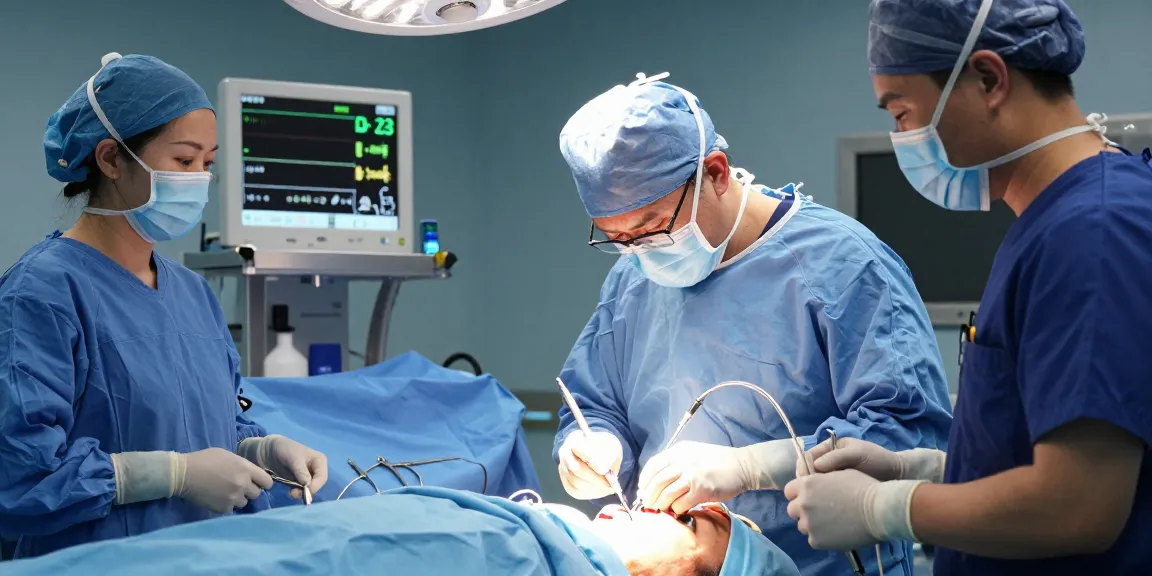
Understanding Cervical Disc Herniation
Cervical disc herniation, commonly referred to as a "slipped" or "bulging" disc, is a prevalent condition affecting individuals of various ages. This medical issue arises when the soft material within the cervical spine discs protrudes through a tear in the tougher exterior, potentially leading to nerve compression. The implications can include significant pain, discomfort, and functional limitations. Understanding the various aspects of this condition, including its causes, symptoms, and treatment options, is crucial for affected individuals and their families.
What is Cervical Disc Herniation?
Cervical disc herniation occurs in the cervical spine, which consists of seven vertebrae that support the neck and head. Each vertebra has a disc between them that acts as a cushion, absorbing shocks during movement. When one of these discs is damaged or degenerates, it can result in herniation, where the inner gel-like substance protrudes outward, potentially pressing on nearby spinal nerves. This herniation can cause pain, numbness, or weakness in the arms and shoulders, depending on the severity and location of the herniation.
Causes and Risk Factors of Cervical Disorders
- Aging: The cervical discs naturally degenerate over time, increasing the risk of herniation.
- Injury: Trauma from accidents or falls can lead to sudden disc herniation.
- Genetics: A family history of disc problems may increase susceptibility to cervical disorders.
- Occupational Hazards: Jobs that require heavy lifting or repetitive movements can contribute to disc wear.
Boyun Fıtığı Ameliyatı: Procedure Overview
For many individuals suffering from cervical disc herniation, Boyun fıtığı ameliyatı may be recommended if non-surgical treatments fail. This surgical procedure is aimed at relieving the pressure on the affected nerve roots and restoring function.
Types of Cervical Surgery: An In-Depth Look
There are multiple surgical options available for treating cervical disc herniation, including:
- Anterior Cervical Discectomy: In this procedure, the damaged disc is removed from the front of the neck, alleviating pressure on the spinal nerves.
- Posterior Cervical Discectomy: A less common approach where surgery is performed from the back of the neck.
- Cervical Fusion: Often performed simultaneously with discectomy, this procedure involves fusing adjacent vertebrae together to provide stability.
- Artificial Disc Replacement: A newer option where the damaged disc is replaced with an artificial one, preserving motion in the cervical spine.
Pre-Operative Assessment and Planning
Before surgery, a comprehensive assessment is conducted, which may include imaging studies such as MRI or CT scans. These imaging techniques help determine the extent of the herniation and guide the surgical approach. The patient's medical history, any previous treatments, and overall health status are also considered to tailor surgical plans to the individual’s needs.
Risks and Considerations in Neck Surgery
As with any surgical procedure, cervical spine surgery carries inherent risks that patients must understand. These may include:
- Infection: There is a risk of post-operative infections, which can complicate recovery.
- Nerve Damage: Although rare, there is a possibility of nerve injury during surgery, which may lead to persistent pain or neurological deficits.
- Recurrent Herniation: In some cases, herniation can recur even after surgical intervention.
- Spinal Fluid Leaks: Accidental damage to the membranes surrounding the spinal cord can cause fluid leaks, necessitating additional procedures.
Common Risks Associated with Cervical Surgery
In addition to the general risks associated with surgery, there are specific concerns related to cervical spine operations. Patients should discuss these risks with their surgeon to have a clear understanding of what to expect.
Long-Term Implications of Surgery
Understanding the long-term outcomes of cervical spine surgery is crucial. While many patients experience significant relief from symptoms and improved quality of life, some may still face challenges, including:
- Chronic pain or discomfort in the neck or shoulders.
- Reduced range of motion in the cervical spine.
- Potential need for further surgical intervention in the future.
Patient Stories: Success and Challenges
Hearing from individuals who have undergone cervical disc surgery can provide valuable insights. Many report successful outcomes, such as regained mobility and reduced pain, while others may share their challenges during the recovery process.
Post-Operative Recovery and Care
The recovery process following cervical disc surgery requires careful management to ensure optimal outcomes. Patients typically spend a few days in the hospital for monitoring before transitioning to home care.
Immediate Care Post-Surgery: What to Know
After surgery, patients should expect some discomfort and may be prescribed pain medications. It's crucial to follow the surgeon's post-operative instructions regarding activity levels and medication use.
Rehabilitation After Cervical Spine Surgery
Rehabilitation is a significant component of the recovery process. Physical therapy is often recommended to strengthen neck muscles and improve flexibility. Patients are encouraged to perform prescribed exercises gradually, ensuring they do not overload their healing spine.
Monitoring for Complications and Follow-Up Appointments
Regular follow-up appointments with the surgeon are essential to monitor recovery progress and address any concerns that may arise. Imaging studies may also be utilized to ensure proper healing.
Future Trends in Cervical Disc Treatments
The field of cervical spine surgery is evolving. Emerging techniques and technological advancements aim to enhance patient outcomes while minimizing recovery times.
Emerging Techniques in Minimally Invasive Surgery
Minimally invasive surgical techniques are becoming more prevalent, allowing for smaller incisions and reduced recovery times. These methods also tend to result in less post-operative pain and quicker rehabilitation.
Technological Advances Improving Patient Outcomes
Technological innovations, such as robotic assistance in surgery, are improving precision and outcomes. These advancements help surgeons provide better care while enhancing safety during procedures.
2026 Predictions for Cervical Health Management
Looking ahead to 2026, predictions indicate a continued focus on personalized treatment plans based on genetic and lifestyle factors. This individualized approach may lead to better management of cervical disorders and improved patient satisfaction.
What Are the Main Benefits of Early Intervention?
Early diagnosis and intervention for cervical disc herniation can significantly improve outcomes. Prompt treatment may prevent further degeneration and the need for more invasive procedures.
How Can Patients Best Prepare for Surgery?
Preparation for cervical disc surgery typically involves physical readiness, such as optimizing health through diet and exercise, as well as logistical arrangements for post-operative care. For more information, Boyun fıtığı ameliyatı offers valuable insights. Patients should engage actively with their healthcare team throughout this process.