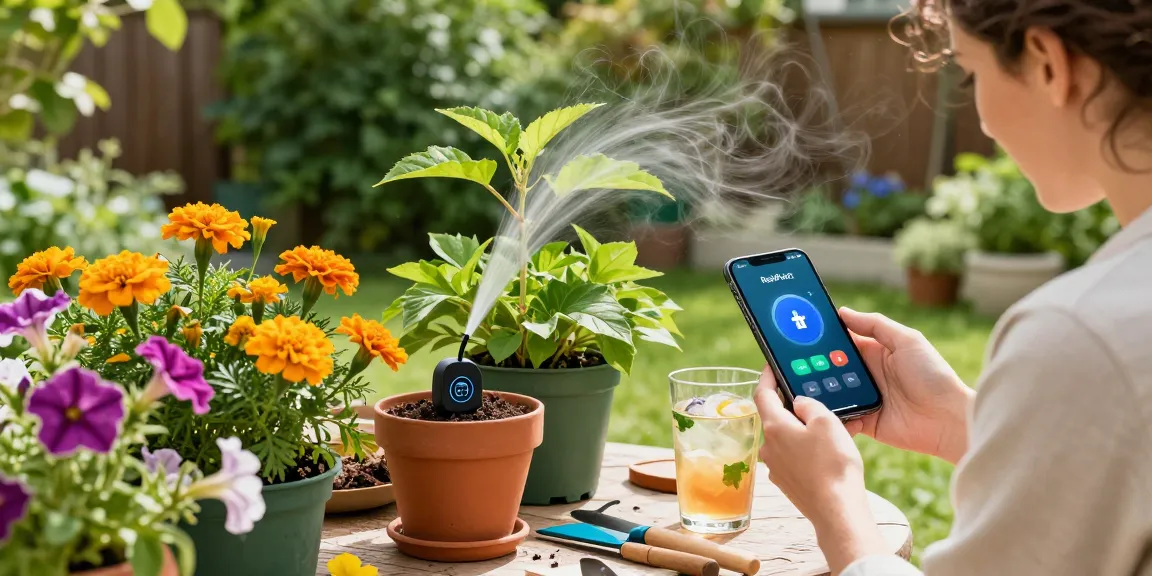
When Sarah in Austin noticed brown rings forming around her rose beds while the lawn stayed soggy, she had a classic mismatch: overwatering turf and underwatering roots. Across town Mike, with a 1/3-acre fescue lawn, was fed up with running a noisy sprinkler for 45 minutes three times a week and still getting thirsty spots. These are the exact real-world problems this article answers — how to match the right irrigation setup to each situation so you stop wasting water and get healthier plants.
What’s the core difference between drip irrigation and sprinklers?
Problem: You need efficient water delivery but aren’t sure how precision and coverage compare.
Solution: Drip irrigation delivers water slowly at the soil surface or root zone through emitters or tubing, while sprinklers spray water through the air to cover larger areas. That basic design difference creates clear trade-offs.
Practical comparison
Drip irrigation is best when you want targeted, low-volume irrigation — ideal for vegetable rows, flower beds, shrub roots, and containers. For example, a raised-bed tomato row using a drip line (2 gph emitters spaced 12") can keep soil evenly moist using roughly 30–50% less water than a typical spray watering approach for the same plants.
Sprinklers work well for uniform turf coverage and quick watering of large lawns. A rotor sprinkler can cover several thousand square feet per head, making it efficient for large areas where irrigation head spacing and precipitation rates are matched. But spray overhead watering increases evaporation and runoff, especially in hot, windy conditions.
EPA research suggests smart irrigation controllers and better watering methods can cut outdoor irrigation by significant amounts; for instance, smart controllers can save households thousands of gallons annually by reducing unnecessary watering when it’s raining or cool (see EPA WaterSense).EPA WaterSense
Which system solves common yard challenges?
Problem: You have a specific yard issue — spotty lawn, thirsty garden, or lots of pots — and need a tailored fix.
Solution: Match the problem to a setup. Here are typical scenarios and the RainPoint-recommended approach.
- Small lawn (<5,000 sq ft) with mixed landscaping: Mobile or pop-up spray sprinklers timed for early morning are often simplest. Add a WiFi sprinkler timer so you can adjust schedules from your phone.
- Large lawn (>5,000 sq ft): In-ground rotor systems tied to a smart controller reduce runtime and overlap, saving water compared with manual timers.
- Vegetable garden: Drip tubing with emitters or a complete drip kit provides consistent root-zone moisture without wetting foliage — fewer fungal issues, better yields.
- Flower beds and shrubs: Soaker hoses or drip lines deliver gentle, slow soaking at the root level for healthier blooms.
- Potted plants and hanging baskets: Self-watering stakes or micro-drip emitters keep pots evenly moist without daily attention.
Example: For Mike’s 1/3-acre lawn, installing a smart in-ground system with rotors and a weather-based controller cut his weekly watering from 135 to 90 minutes, eliminating run-off and saving an estimated 10,000 gallons a season. For Sarah’s roses, converting to a drip ring and adding mulch reduced leaf disease and kept blooms healthier with 40% less total water use than she’d used with overhead sprays.
How do costs, water savings, and maintenance compare?
Problem: You want to know payback time and upkeep between drip and sprinkler systems.
Solution: Consider installation cost, water savings, and routine maintenance to choose the most cost-effective setup for your yard.
FactorDrip IrrigationSprinklers (rotor/spray)Typical installation cost (DIY)$50–$600 (kits, tubing, emitters)$150–$1,200 (pop-up kits, hoses) / higher if trenching neededWater efficiencyHigh — 20–50% water savings for plant bedsModerate — losses from evaporation/runoff can be 20–40%MaintenanceFilter and flush lines seasonally; check emittersCheck nozzles, adjust heads, winterize pipesBest useVegetable beds, shrubs, trees, containersLarge lawns and areas needing uniform coverage
Maintenance example: A suburban gardener reported saving $180/year on water after switching perennial beds to drip and pairing that with a weather-aware timer. The small annual cost was two cleanings and a quick flush before winter — under one hour of work.
How do you pick components and set up each system the right way?
Problem: You’re ready to install but don’t know which parts to buy or how to schedule watering.
Solution: Use the right emitters, hoses, and controllers for each situation and set schedules based on soil type, plant need, and seasons. RainPoint can act as the scenario irrigation expert: a WiFi timer such as a RainPoint model lets you set multiple zones (turf vs. beds), receive local weather adjustments, and create shorter, more frequent runs for drip systems.
Quick build checklist for drip irrigation
- Map bed lengths and plant spacing; choose tubing diameter (1/4" for micro-lines, 1/2" for main runs).
- Install a filter and pressure regulator at the faucet to protect emitters.
- Lay mainline and attach emitters or pre-installed drip tubing every 6–18" depending on crop.
- Cover tubing with mulch to reduce evaporation and protect from sun damage.
- Connect to a timer set for short, frequent runs (e.g., 10–30 minutes) to keep root zone moist without saturation.
Scheduling example: For a heavy clay soil, one deep soak twice a week is preferable for a lawn, but vegetable beds on drip may perform best with three short runs (15 minutes) per day during hot spells. Local extension services offer soil-specific guidance — for instance, many university extensions provide irrigation charts tailored to regional evapotranspiration rates.
If you want a guided next step to match a full setup to your yard type, click here to upgrade to a water-saving lawn with RainPoint and see recommended kits and timers by scenario.
A WiFi timer from RainPoint can handle those schedules automatically, skipping cycles when it rains and letting you tweak runtimes from your phone while you’re away. That’s the practical, scenario-based approach — not just buying parts, but pairing the right system to the right need so your yard stays healthy and your water bills shrink.