Understanding the Basics of Cryptocurrency and Stocks
In the rapidly evolving landscape of finance, the intersection of traditional stock markets and blockchain technology is creating opportunities that were once unimaginable. Blockchain innovation is shaping how we perceive ownership, asset management, and trading. As we delve into the world of cryptocurrencies and stocks, this article aims to equip you with vital information on how to leverage technology and data—particularly through APIs—for making educated investment decisions. We'll explore fundamental concepts, such as how to perform a company name to stock ticker lookup, while considering security aspects and future trends in both realms.
What is Cryptocurrency and How Does it Work?
Cryptocurrency is a digital or virtual form of currency that relies on cryptography for security. Unlike traditional currencies issued by governments (fiat), cryptocurrencies operate on decentralized networks based on blockchain technology. This distributed ledger technology (DLT) ensures that transactions are immutable and transparent, primarily through a consensus mechanism, often Proof of Work (PoW) or Proof of Stake (PoS). This architecture allows for secure and verifiable transactions globally without a centralized authority.
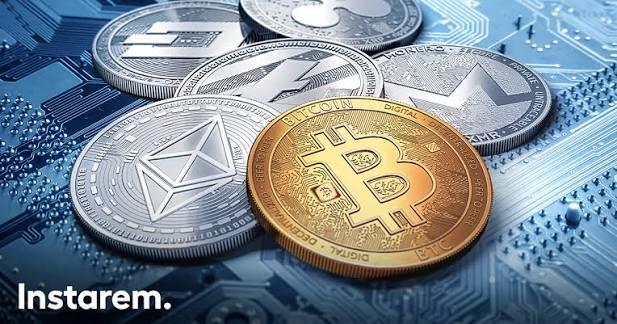
Different Cryptocurrency Types and Their Use Cases
- Payment Cryptocurrencies: Examples include Bitcoin (BTC) and Litecoin (LTC), which are designed primarily for peer-to-peer transactions.
- Smart Contract Platforms: Ethereum (ETH), Cardano (ADA), and Solana (SOL) facilitate decentralized applications (dApps) using programmable contracts.
- Stablecoins: Tether (USDT) and USDC are designed to minimize volatility by pegging their value to stable assets.
- Privacy Coins: Monero (XMR) and Zcash (ZEC) prioritize user anonymity by obscuring transaction details.
- Utility Tokens: Tokens like Binance Coin (BNB) offer functionalities within specific ecosystems, while security tokens represent ownership in an asset.
- Governance Tokens: Projects like Uniswap (UNI) empower holders to vote on network proposals.
Introduction to Stock Market Fundamentals
The stock market serves as a platform for buying and selling shares of companies. It acts as a barometer for economic health and provides a means for companies to raise capital. Each publicly traded company has a unique ticker symbol—essentially its online identification tag—that investors use when buying and selling stock. Understanding these symbols is crucial for efficient trading and investment strategies.
The Dynamics of Stock Symbols and Tickers
What is a Stock Ticker and Why is it Important?
A stock ticker is an acronym used to uniquely identify publicly traded shares of a company on a stock exchange. This shorthand allows traders to quickly and easily reference specific companies when executing trades. The structure and volatility of ticker symbols can vary based on the exchange and the geographic location of the trading entity, making it vital for investors to understand the distinctions.
How to Perform a Company Name to Stock Ticker Lookup
Performing a lookup to convert a company name into its respective stock ticker is straightforward and can be accomplished using various online platforms and APIs. Typically, you can input the full company name or part of it into a search bar on a financial site, and the system will return the corresponding ticker symbol. Utilizing an API for this purpose allows developers to integrate real-time data into applications efficiently. For example, the iTick symbol list API provides a comprehensive database of stock symbols from various exchanges.
Common Mistakes in Symbol Identification
Investors often make errors in identifying ticker symbols due to similar company names or using outdated information. Ensuring the accuracy of the ticker symbol through proper channels is essential because trading under the wrong symbol can lead to substantial financial losses. Moreover, with frequent IPOs and changes in listings, staying up-to-date with a reliable source is non-negotiable.
Leveraging APIs for Real-Time Data
Overview of Stock Symbol List APIs
APIs (Application Programming Interfaces) have become indispensable tools for accessing real-time and historical financial data. Stock symbol list APIs make it easy to get comprehensive lists of stock tickers, including key company information. These data feeds eliminate the hassle of maintaining local databases or spreadsheets. Instead, developers can build applications that dynamically pull the latest symbols with a single API call, significantly streamlining operations and enhancing user experience.
Integrating Crypto and Stock Data in Applications
As the boundaries between cryptocurrencies and traditional finance blur, integrating data from both realms into applications is paramount. For instance, an investment application might provide users with a stock symbol lookup integrated with cryptocurrency price feeds. Such functionalities can give users a holistic view of their investment landscape, helping to inform more rounded decisions.
Best Practices for API Data Management
- Performance Optimization: Cache frequent queries to reduce load times and enhance user experience.
- Data Validation: Always validate and sanitize incoming data to protect against injected threats.
- Rate Limiting: Implement restrictions on API calls to prevent overload and maintain service quality.
- Monitoring: Regularly check for outdated endpoints and security vulnerabilities to maintain data integrity.
Security Considerations in Cryptocurrency Trading
Setting Up a Secure Digital Wallet
A digital wallet is crucial for storing cryptocurrency securely. There are two main types: hot wallets, which are connected to the internet, and cold wallets, which are offline. For long-term storage and security, cold wallets are generally recommended. They mitigate the risk of hacking and unauthorized access, although they require more effort for transacting.
Understanding Private Keys and Their Significance
Private keys act as your digital signature in the crypto ecosystem; losing this key means losing access to your assets. Security best practices include generating your keys using secure methods, keeping them secret, and backing them up through secure means such as paper wallets or hardware storage devices.
Recognizing Common Security Threats in Crypto Trading
- Phishing Attacks: Scammers often create fake websites mimicking real platforms to steal your credentials.
- Sim-Swap Attacks: Attackers trick your phone provider into transferring your number, giving them access to your accounts.
- Malware: Keyloggers and other malicious software can compromise your security without your knowledge.
- Fake ICOs: Unscrupulous projects may claim to offer investments that do not exist.
Future Trends in Cryptocurrency and Stock Trading
Emerging Technologies Impacting Market Exchanges
The rise of Decentralized Finance (DeFi) is one of the most disruptive trends in finance today. Decentralized exchanges (DEXs) and automated market makers (AMMs) are revolutionizing how assets are traded. This shift emphasizes the need for innovative frameworks and protocols that foster security, transparency, and accessibility for all users.
The Role of DeFi in Stock Trading Innovation
DeFi platforms are increasingly adopting hybrid models that bridge the gap between traditional equities and digital currencies. Tokenization of stocks and assets promises to make trading more efficient, secure, and inclusive while providing new avenues for liquidity and investment.
Regulatory Changes for Cryptocurrency in 2026
As the cryptocurrency landscape evolves, so too does regulatory oversight. By 2026, the focus on compliance with regulations such as the SEC guidelines on securities and the CFTC's oversight of derivatives will be paramount. Investors need to remain vigilant and updated on evolving regulations to navigate this dynamic environment successfully.
Can You Efficiently Combine Crypto and Stock Trading Strategies?
Combining crypto trading with traditional stock trading requires a nuanced understanding of both markets. Investors should approach this integration with an acute awareness of the unique volatility and risk associated with cryptocurrencies while leveraging analytical strategies used for stock investments to create a diversified portfolio.
What are the Risks to Consider When Trading Cryptocurrency?
Cryptocurrency investments carry high risks. Market volatility, regulatory changes, and the potential for cyber threats should compel investors to conduct thorough due diligence. Always consider using risk management strategies such as stop-loss orders and position sizing.
How Does Blockchain Technology Influence Traditional Markets?
Blockchain technology’s unique attributes, such as transparency, accountability, and decentralization, are beginning to be embraced by traditional financial institutions. The potential to securely manage transactions on a distributed ledger means that efficiencies gained could revolutionize how markets operate, paving the way for more trust in transactional systems.